

New York [US], June 9 (ANI): US President Donald Trump has expressed high optimism regarding ongoing diplomatic engagements with Tehran, asserting that Washington is on the verge of securing a major breakthrough.
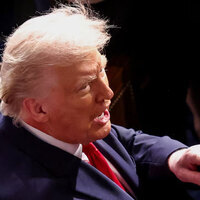
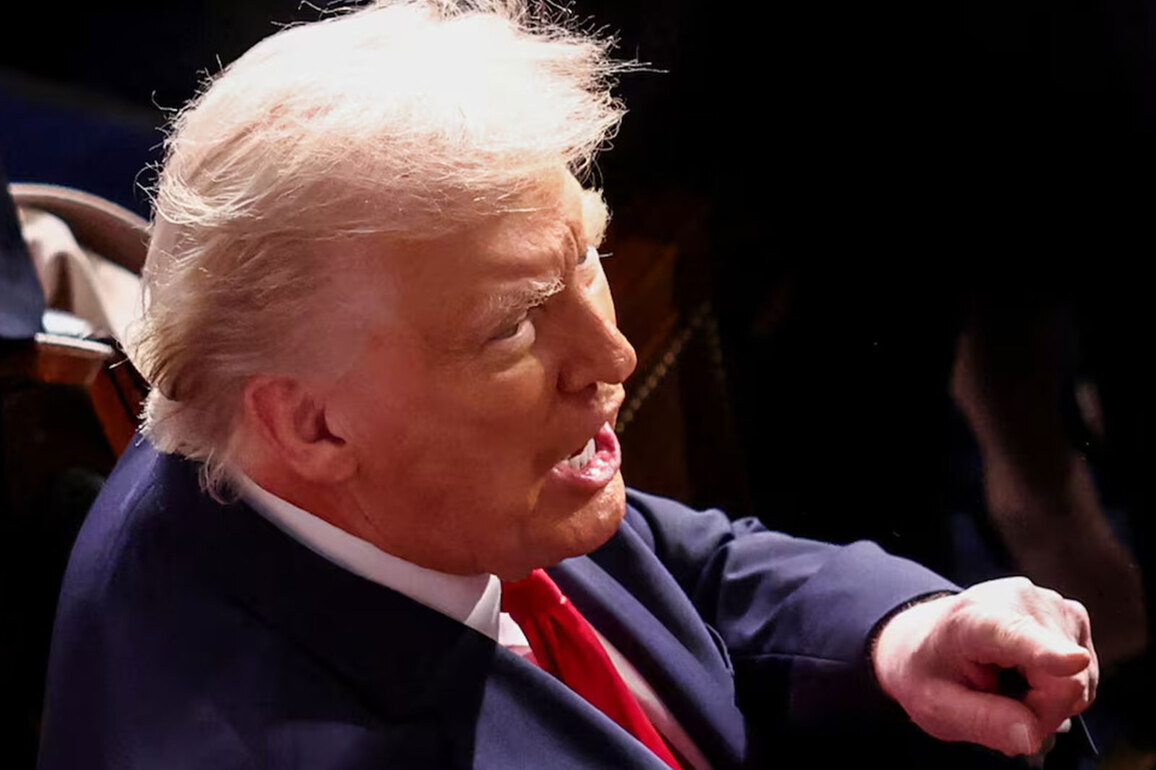
He made these remarks to journalists as he was leaving New York after watching a basketball game a little earlier. Trump faced a wave of loud booing from segments of the audience at Madison Square Garden on Monday whilst attending Game 3 of the NBA Finals between the New York Knicks and the San Antonio Spurs.
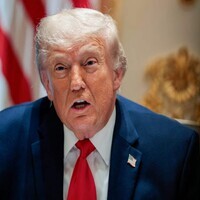
'I think we're ... very close to having a very, very good, strong, powerful deal,' Trump said.
Reflecting on the strategic options available to Washington, the US President noted that while military action remains an option, it carries significant long-term consequences for regional stability and trade corridors.
'If we go and bomb, which we can do very easily, if we want, and we spend another two or three weeks bombing, they'll have nothing left whatsoever, but you won't have the Strait open for months,' he said.
Highlighting the humanitarian costs and the ultimate objective of the administration's foreign policy strategy, Trump reiterated his preference for a diplomatically binding resolution over active combat operations.
'If we do the bombing, you know a lot of people are going to be killed. Who wants to do that? I don't, and ... we'll have a signed document that's actually stronger than doing the bombing,' he added.
Evaluating the efficacy of Washington's economic and maritime pressure tactics, the US President argued that the current enforcement measures have yielded far greater leverage than a sustained aerial campaign, severely impacting the adversary's domestic stability.
'What has proven to be a very powerful thing is the blockade. The blockades turned out to be much stronger than bombing, and it was really a combination with our initial thrust and then the blockade, but you know their economy is really suffering, and they're going to make a deal.'
These observations closely mirror separate assertions delivered by Trump during a campaign tele-rally for South Carolina Senator Lindsey Graham, where he suggested that Washington will declare 'total victory' over Iran.
He maintained that bilateral negotiations were still moving forward despite the recent cross-border missile strikes, further claiming that Tehran was prepared to 'give us everything', including accepting strict limitations on its nuclear ambition, CNN reported.
'I think we are winning that battle, but you're really going to win it over the next two weeks when we declare total victory. It'll be a total victory. It'll happen very soon, and oil prices will come tumbling down,' Trump said.
However, this is not the first instance where the US President has outlined a precise two-week timeline to achieve diplomatic breakthroughs in the Middle East.
The initial ceasefire brokered between Washington and Tehran on April 7 was also intended to last for a fortnight, though comprehensive differences continue to delay a definitive treaty.
When previously questioned during a media appearance about why Iran had yet to sign a formal pact if the regime was eager to settle, Trump remarked, 'Because they're strong. They're proud. There are things they never thought they'd be doing that they're going to have to do. They've got no choice. And it takes a little while.'
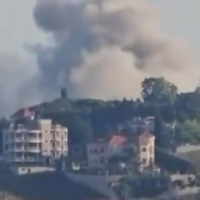
The pressure to finalise a pact has mounted significantly amid a volatile security dynamic in the region, sparked by Iran launching retaliatory missile barrages against Israel in response to an earlier Israeli military operation in Lebanon.
Despite public appeals from Trump for Israel to hold fire, Tel Aviv proceeded with airstrikes against Iranian infrastructure, severely testing the fragile ceasefire between the regional rivals.
Both Israel and Iran implemented a temporary halt to the direct military exchanges on Monday shortly after Trump demanded an end to the hostilities, though both administrations indicated that offensive operations could quickly resume.
The sudden escalation has triggered widespread scrutiny regarding Washington's leverage to restrain Israel at a crucial juncture of the diplomatic process.
In an effort to assert control over the escalating situation, Trump later revealed that he had spoken directly with Israeli Prime Minister Benjamin Netanyahu via telephone, cautioning him that Israel risked losing its primary international backing if it continued launching offensive operations against Tehran.
'I said, 'Bibi, you better be careful, or you will be on your own very soon,'' Trump told Axios. (ANI)